
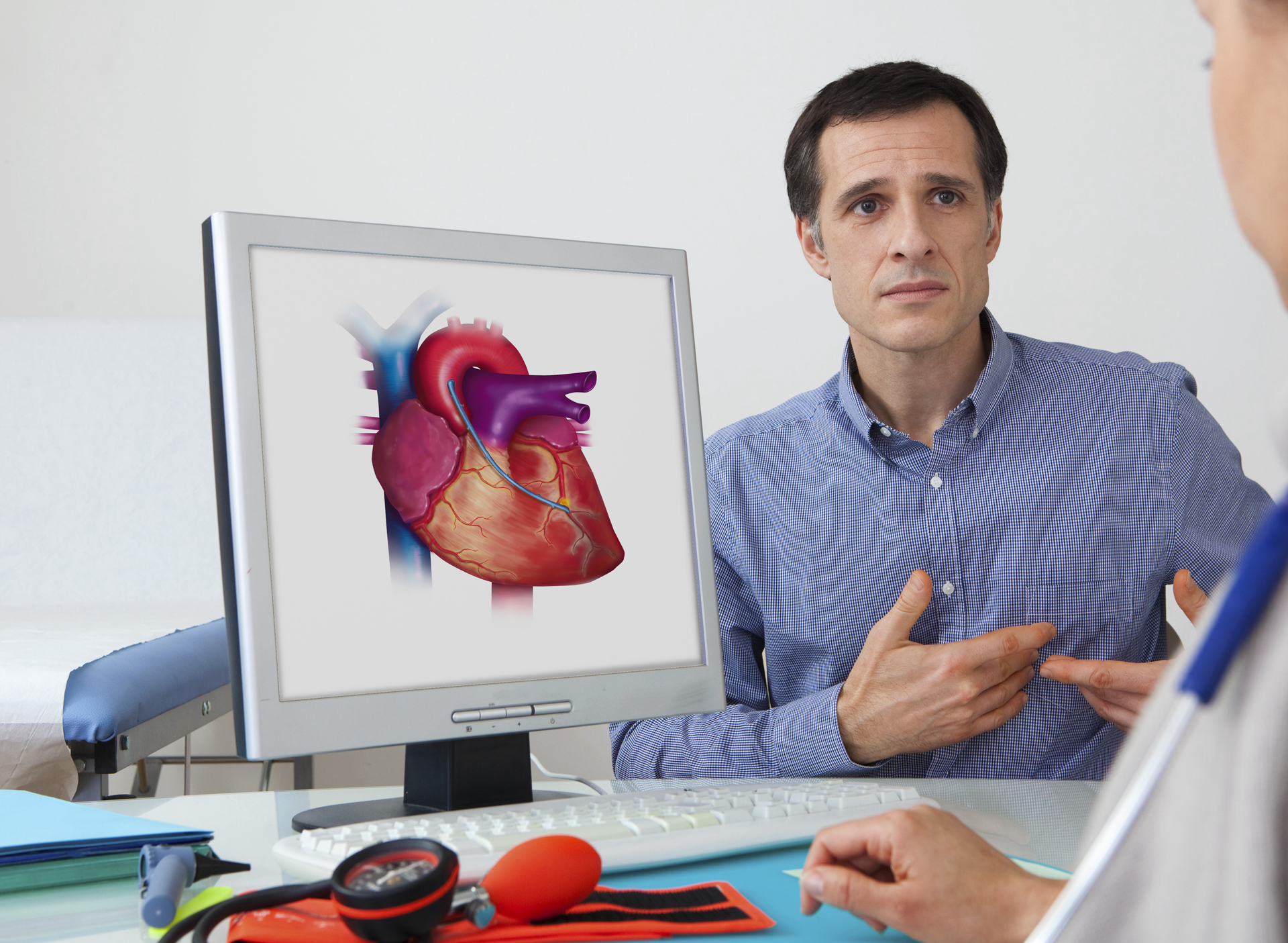
Many people wait until symptoms become severe before consulting a heart specialist. However, early evaluation by a cardiologist can help detect problems before they become serious. Your heart often gives warning signs, and recognizing them at the right time can protect your health and even save your life.
Why Early Consultation Matters
Heart conditions can develop gradually, and in many cases, early symptoms are mild or ignored. Delaying medical attention can increase the risk of complications such as heart attacks, heart failure, or long-term damage.
Seeing a cardiologist early allows for accurate diagnosis, proper treatment, and better long-term outcomes.
Key Warning Signs You Should Not Ignore
1. Chest Pain or Discomfort
Chest pain is one of the most important signs of a possible heart problem. It may feel like pressure, tightness, or burning. Even if the pain is mild or comes and goes, it should always be checked.
2. Shortness of Breath
Difficulty breathing during normal activities or while resting may indicate that your heart is not functioning properly. This can be linked to several heart conditions.
3. Irregular Heartbeat
A racing, slow, or uneven heartbeat can be a sign of arrhythmia. If you frequently feel your heart skipping beats or beating unusually, it is important to get it evaluated.
4. Unusual Fatigue
Feeling extremely tired without a clear reason can be an early sign of heart issues. This is especially important if your energy levels suddenly drop.
5. Dizziness or Fainting
Lightheadedness or fainting can occur when the brain does not receive enough blood flow. This may be related to heart rhythm problems or low blood pressure.
6. Swelling in Legs or Feet
Fluid buildup in the lower body can be a sign that your heart is not pumping effectively. Swelling should be evaluated, especially if it is persistent.
7. Pain in Arms, Neck, Jaw, or Back
Heart-related pain can spread beyond the chest. Discomfort in these areas, especially along with other symptoms, should not be ignored.
Who Should See a Cardiologist Regularly?
Even without symptoms, you should consider visiting a cardiologist if you have:
- High blood pressure
- High cholesterol
- Diabetes
- Family history of heart disease
- Smoking habits
- Sedentary lifestyle
Regular checkups can help detect risks early.
What to Expect During a Visit
A cardiologist may perform:
- Physical examination
- ECG (electrocardiogram)
- Blood tests
- Imaging or stress tests if needed
These tests help identify the condition and guide treatment.
Do Not Ignore Emergency Symptoms
Seek immediate medical attention if you experience:
- Severe chest pain
- Sudden shortness of breath
- Fainting or collapse
- Pain spreading to arm or jaw
Quick action in these situations can be life-saving.
Final Thoughts
Your heart plays a vital role in your overall health, and it often gives early warning signs before serious issues develop. Paying attention to these signs and consulting a cardiologist at the right time can prevent complications and improve your quality of life.
Do not wait for symptoms to worsen. Early care is always the better choice when it comes to your heart.
